Translate

Monday, July 31, 2017

E5 Hike: Moos to Hochfirst

Day 5:  10 km, 600 meters up and 200 meters down


Flow control along the Passeier above.
Rabenstein, below, has been relocated because of avalanches and landslides.


 Looking up to Hochfirst from an alp at about 1,800 meters
Looking down to valley of Schoenau from the same alp.

E5: Hike from Hochfirst up

Day 6:  12 km, 700 meters up and 700 meters down


Hike Hochfirst up, approaching Timmelsjoch Pass

Second part of Day 6


Alan at the Peace Sculpture at the top.
2,500 meters

Plants on E5 north of Bolzano, July 2017


 Seedheads of Anemone, Pulsatilla  alpine in a pasture.


Sedums growing out of rocks.


Grasses growing in a rock wall.


Stone Walls in Passeier Valley around St Leonhard


Little Shrines Along the Path

Especially, on this hike, in Passeier Valley, around the town of Moos.


Pension Brunhild

Pension Brunhild
Familie Pichler
I-39015 St. Leonhard in Passeier
Suedtirol
Andreas-Hofer-Strasse 6
infobrunhild.it
www.brunhild.it


Stuttgart Buildings etc.


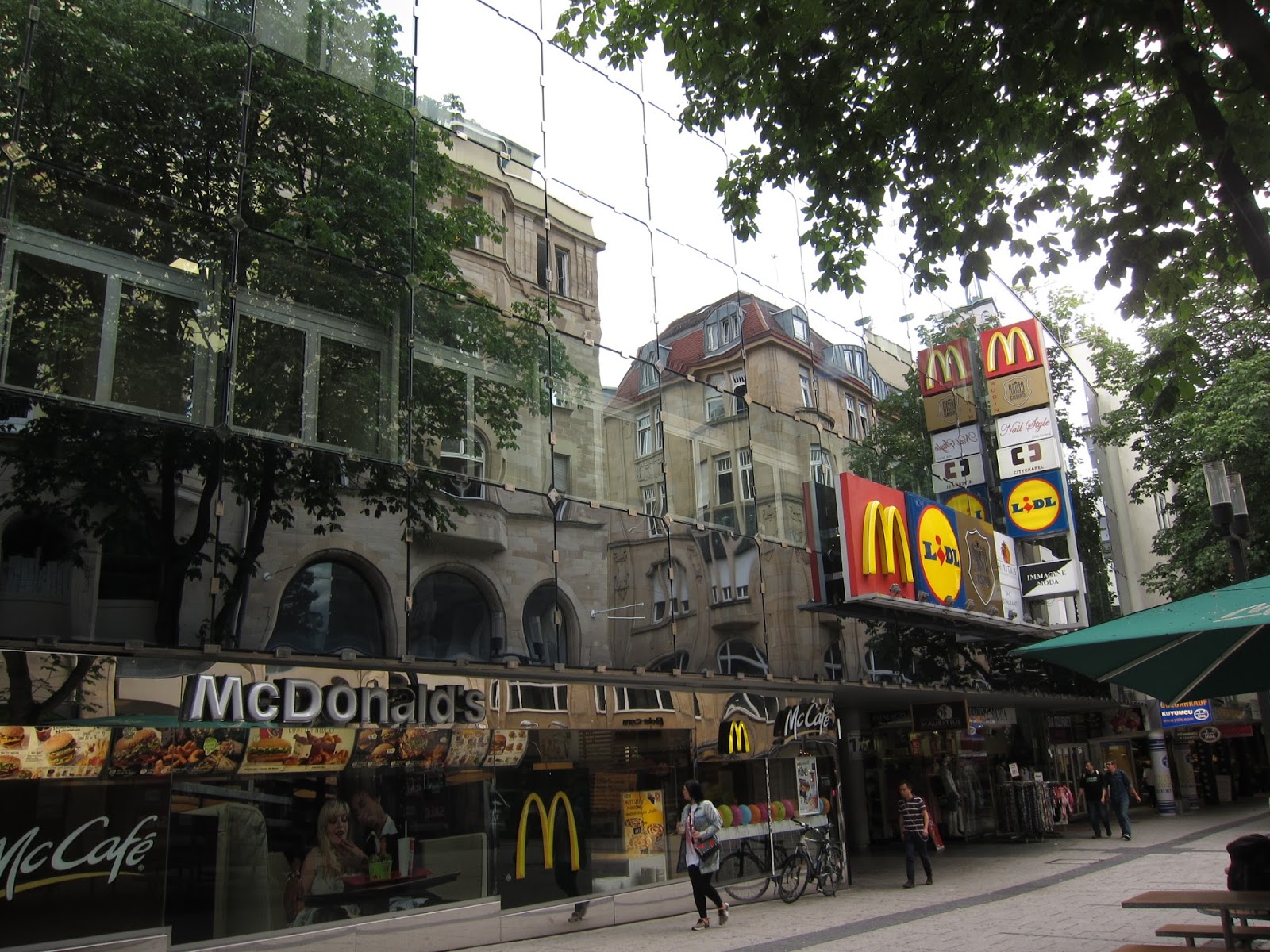
You might as well be shopping in New York.


 Art Deco Markthalle.

Stuttgart is the home of Mercedes and Porsche.


Oskar Schlemmer is a Stuttgart artist from the early twentieth century.
Below, costumes he designed for "Triadic Ballet" in 1922.

Stuttgart People and Interest


The traveling "Hamburger Fischmarkt" was in town:  we went every day.


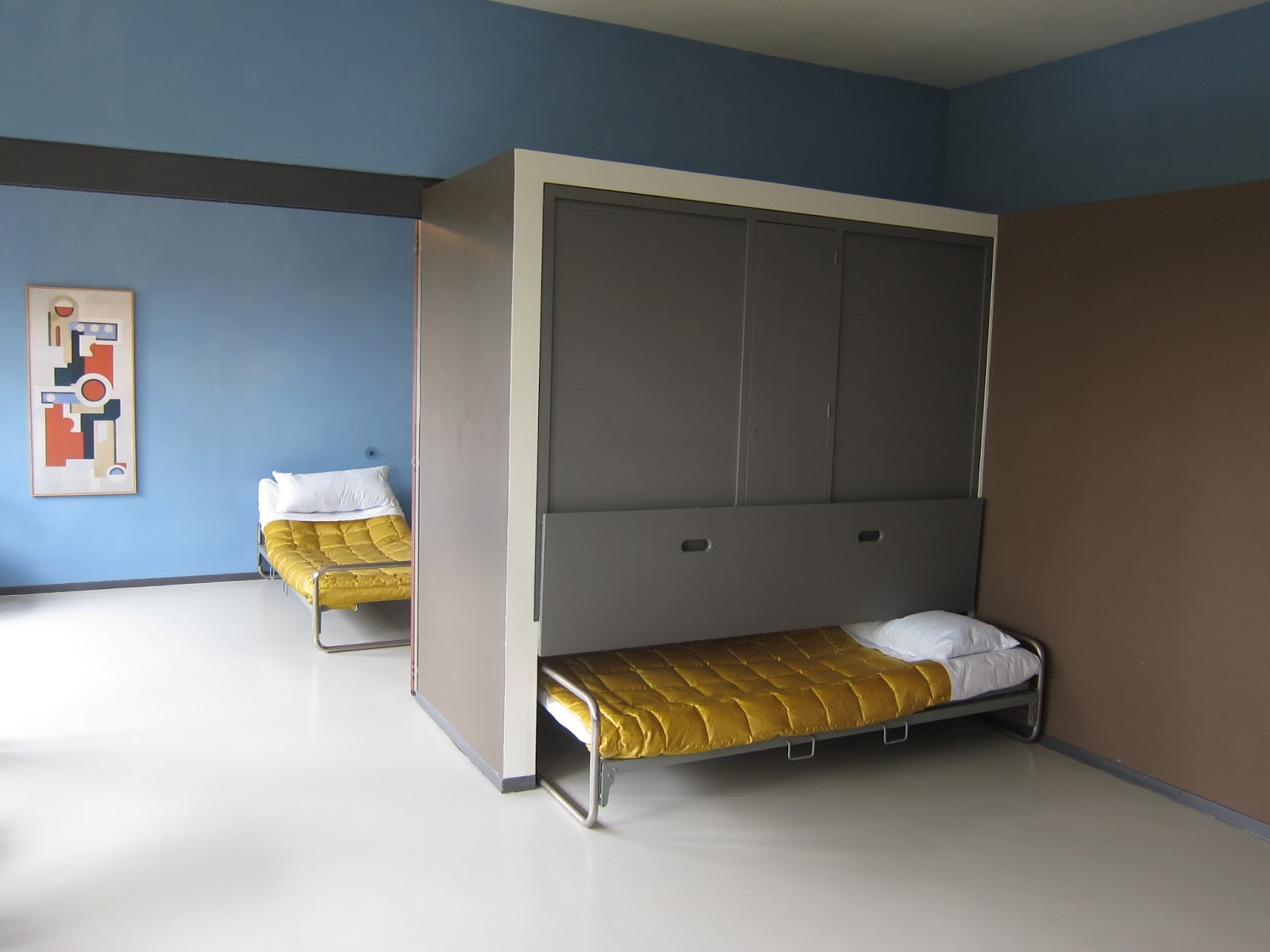
Weissenhofsiedlung Haus Corbusier-Jeanneret


Weissenhofsiedlung was an ambitious partnership effort in the 1920's to create a variety of innovative housing on land owned by the City of Stuttgart:
https://en.wikipedia.org/wiki/Weissenhof_Estate

Many of the young architects went on to become leaders in the development of modern architecture:  Le Corbusier, Mies van der Rohe, Walter Gropius.  Others are not so well known, but maybe should have been:  Mart Stam, JJP Oud, Hans Scharoun, etc.

The development survived the predations of the Nazis and lost half the structures to bombing in the war.  Of the original 21 buildings, eleven survive, and Haus Le Corbusier-Jeanneret is a public museum.


Le Corbusier's 1927 Manifesto for Building:
- Free plan inside
- Columns which raised the roof above the building
- Roof gardens
- Ribbon windows
- Free facade

Note how Le Corbusier applied these precepts 27 years later at Notre Dame du Haut, two 'blog chapters' below.