Translate

Sunday, February 24, 2013

Sabal Palmetto Palm

 The Sabal Palm (and the similar Saw Palmetto) are the most widely distributed palms in Florida.


Pine Flatwoods


The Pine Flatwoods habitat covers over 50% of Florida natural ecosystem area.
The most common pine is Slash Pine or Pinus elliottii.
Here are links:  http://www.sfrc.ufl.edu/extension/florida_forestry_information/forest_resources/pine_flatwoods.html
http://www.sfrc.ufl.edu/4h/Ecosystems/Flatwoods/flatwoods.html
http://pinellas.fnpschapters.org/flatwoods.html

 Here are pines with Sabal Palm/Sabal palmetto.


and native grasses, in this case,  Saw Grass or Cladium jamaicense.
Flatwood environments are heavily dependant on regeneration through fire - the plants are adapted to common wildfires and do not thrive without it.


House Compounds Near Devils Garden


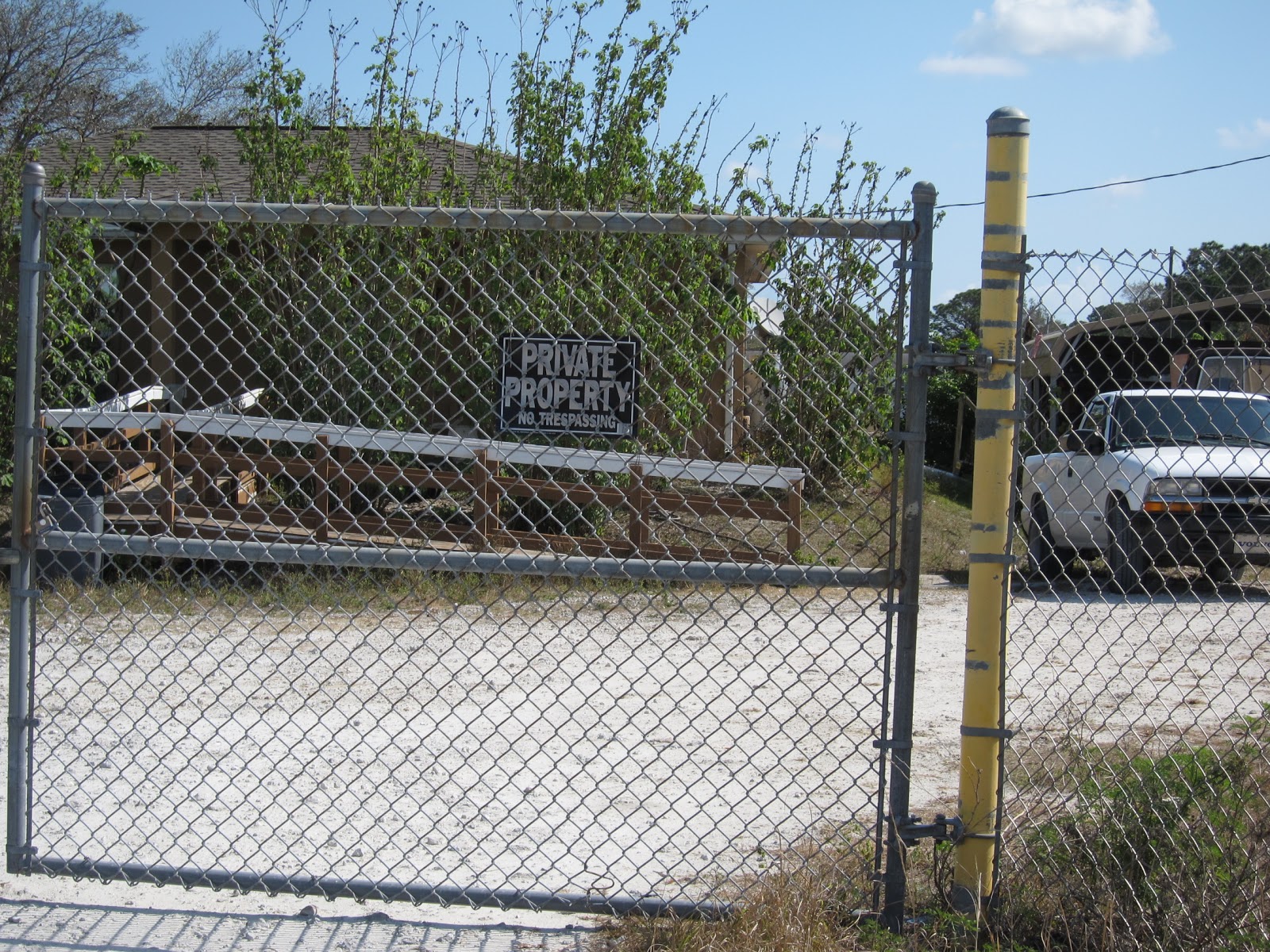
 Residential compounds in the this scrubby community of agricultural workers on the road to Immokalee all have the same look: fence, pickup, and posted No Trespassing. 


 These two trailers were a little different: no fence, pickup and the one below is abandoned among the Live Oak trees.

Sugar Cane Empire


 Sugar cane, growing above, covers vast areas of inland Florida south of Lake Okeechobee and north of the Everglades.  Cane trucks below ferry a constant supply to the large processing factory, second photo below.


 The land and business is owned by the Fanjul family, which operates Domino sugar.  Here is more info:    http://en.wikipedia.org/wiki/Fanjul_brothers
http://www.cnn.com/ALLPOLITICS/time/1998/11/16/sweet.deal.html
Below, worker housing.

The landscape is unrelenting across much of the area:  no shade and only sugar cane fields.  Industrial agriculture.

Palm Beach to Boca by bike

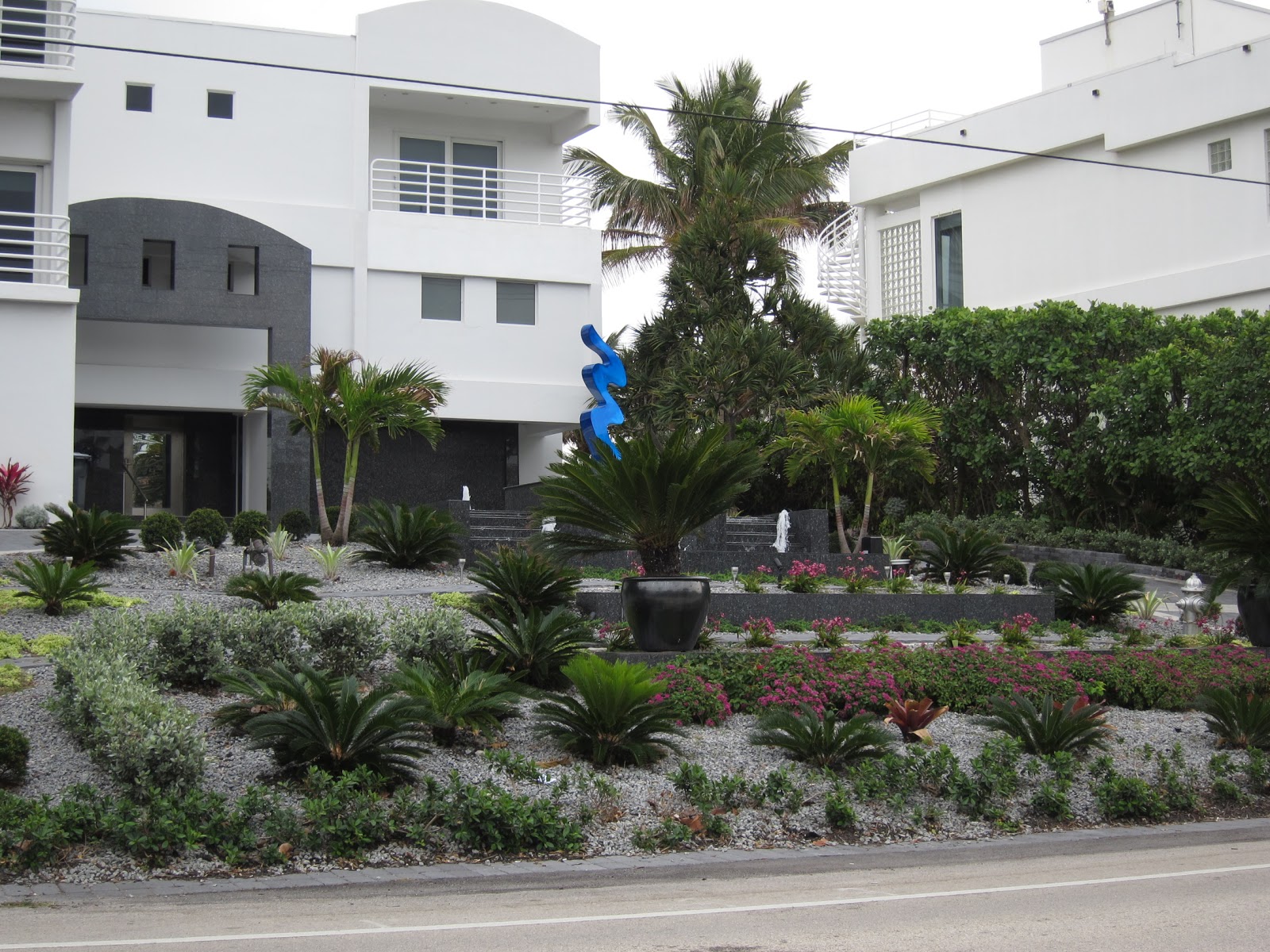
 Multiple ranks of clipped hedges seem to be a staple of Palm Beach landscaping.

 Also ornate gates, walls and sculpture, most like the property above or to the left.  The house below was different in having a modernist approach.

 Biking along A1A/Ocean Drive past the clipped hedges of mansions, above.  Back over the Inland Waterway to the mainland, Boca is visible in the scene below in the distance.

Thursday, January 31, 2013

Ai Wei Wei at The Hirshhorn, Pt I

Ai Wei Wei may now be one of the most famous artists in the world.  See the New York Times article at:  http://www.nytimes.com/2012/10/12/arts/design/ai-weiwei-survey-in-washington.html?pagewanted=all

See the CBS news show profile video on CBS Sunday Morning, Jan. 27, 2013 :  http://www.cbsnews.com/8301-3445_162-57566050/q-a-playwright-edward-albee/

He is a prolific Chinese artist who is adept in sculpture, photography, and protest as performance art.  He has combined great contemporary art with social activism.  The Chinese government would not release his passport for the retrospective at The Hirshhorn Museum in Washington, which is up until end of February, 2013.


Below are Chinese "Tea Houses" made of real tea!
A beautifully rendered marble sculpture of the surveillance camera that was set up to monitor activities near Ai Wei Wei's studio.


Antique Chinese stools used in unexpected sculptural ways, above.
Below, wood from ancient Chinese temples that were destroyed is used for contemporary sculptures.


Ai Wei Wei at The Hirshhorn, Pt II

Ai Wei Wei was radicalized by the 2008 earthquake in Sichuan.  He went to the province with his team and painstakingly compliled a list of names of schoolchildren and others who were killed.  This informed his art, see below.  The rebar comes from buildings destroyed in the quake; it was straightened for the art piece, which has a cut running through it.  Another piece in the installation is the list of thousands of names of children who died.


Ai Wei Wei was attacked and beaten by the provincial police when doing this work.  He had surgery for cerebral swelling and hemorrhage.

Ai Wei Wei at The Hirshhorn, Pt III

 The sculptures above are 10 feet tall bronze depictions of each animal in the Chinese zodiac year, entitled "Circle of Animals/Zodiac Heads."  They represent the signs of the Chinese zodiac:  snake, horse, goat, monkey, rooster, dog, pig, rat, ox, tiger, rabbit and dragon.  The heads traditionally would only have been viewed by emperors but Ai Wei Wei is making them available to all.
Below, the crabs are finely wrought porcelain.  They commemorate a dinner that Ai Wei Wei put on with a menu of river crabs when the authorities demolished his studio.  The name in Chinese is similar to the word for "harmony," which is used when people are censored.


 Ai Wei Wei was involved in the building of the famous Bird's Nest Stadium for the Olympics in Beijing, but he publicly protested at the displacement and false presentations of Chinese society.  He called the Olympics "propaganda."

Monday, December 10, 2012

Chihuly at VMFA


Virginia Museum of Fine Arts has done a fine job of staging certainly the most opulent exhibition of works by the best known contemporary glass artist, Dale Chihuly.
Here is link to VMFA:  http://www.vmfa.state.va.us/Default.aspx
Here is link for Dale Chihuly:  http://www.chihuly.com


 One enters through an archway with glass jellyfish forms suspended and lit from above.


 The piece above is inspired by Japanese fishing boats that used glass floats for their nets.


 The "macchiato" pieces above may be part of the native American basket series or take off from Venetian glass works.  It is all about color, light and shadow.


 Above and below are two small details from a large room with a glass "lagoon," including realistic depictions of sea life.

I do not know what the form below is, but like most of the work, it seems biologically based.


Thursday, November 29, 2012

The Election

 The big news for November 2012 was the reelection of Barack Obama.
There were long lines at polls, a narrow margin, and a very divided country and electorate.